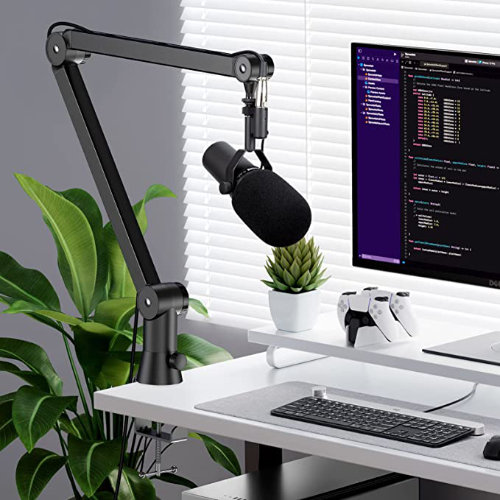
Starting an online radio station is a great way to share your passion for music, talk shows, or other forms of audio content with a global audience. However, before you can start broadcasting, you need to have the right equipment. In this article, we will discuss the equipment needed to start an online radio station and help you understand how to choose the right tools for your needs. We will create seperate posts for each of these topics.
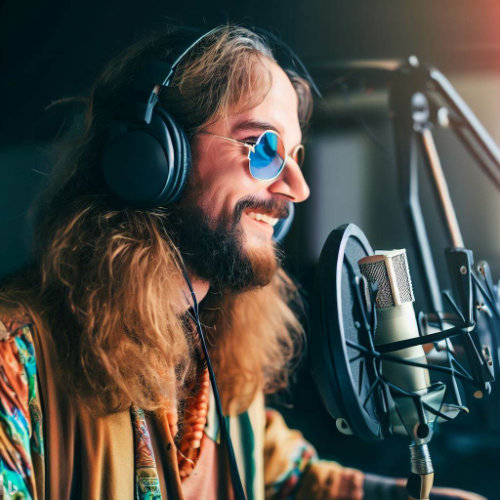
Microphone
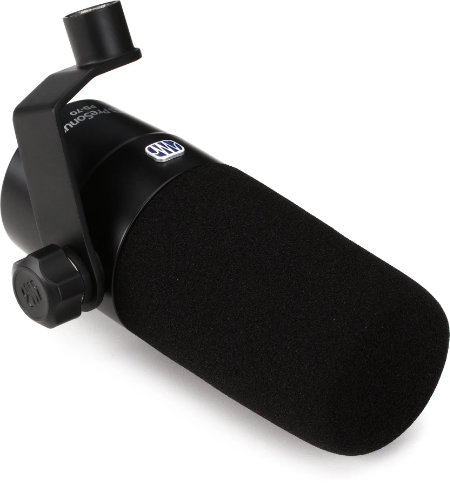
The first thing you need to start an online radio station is a microphone. The microphone is essential for capturing your voice or any other sounds you want to broadcast. There are several types of microphones available, including condenser, dynamic, and ribbon microphones. Condenser microphones are more sensitive and provide better sound quality, but they require phantom power to operate. Dynamic microphones are less sensitive but are more durable and do not require phantom power. Ribbon microphones are the most expensive and provide a warm, vintage sound, but they are also fragile and require careful handling so should be ruled out if you are just starting out.
Audio Mixer
An audio mixer is a device that allows you to combine multiple audio signals into a single output. With an audio mixer, you can adjust the volume, EQ, and other parameters of each audio source to create a well-balanced sound. You can also use an audio mixer to add effects like reverb, delay, or compression to your audio signal. There are different types of audio mixers available, including analog and digital mixers. Analog mixers use physical knobs and buttons to adjust the audio, while digital mixers use software interfaces and touchscreens.

Computer
To broadcast your audio content online, you need a computer. Your computer should have enough processing power and memory to handle the audio recording, editing, and streaming tasks. You also need a stable internet connection to upload your audio stream to the online radio platform. Having a strong steady connection is one of the key requirements. You can use a desktop or laptop computer, but make sure it meets the minimum system requirements for your broadcasting software.
Broadcasting Software
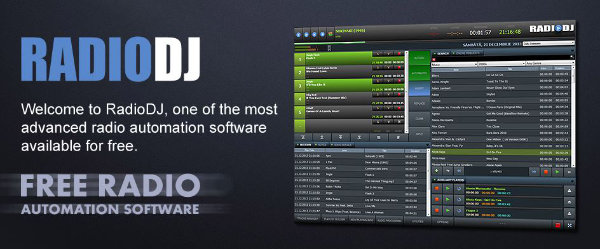
Broadcasting software is a crucial tool for starting an online radio station. Broadcasting software allows you to record, edit, and stream your audio content online. There are several broadcasting software options available, including free and paid versions. Some popular broadcasting software options include Mixxx, Virtual DJ, and Sam Broadcaster as well as the free software I have used for nearly 10 years RadioDJ. When choosing your broadcasting software, consider your budget, the features you need, and the compatibility with your operating system.
Audio Interface
An audio interface is a device that connects your microphone, audio mixer, and other audio equipment to your computer. An audio interface converts the analog audio signals into digital signals that can be processed and recorded by your computer. There are different types of audio interfaces available, including USB, Firewire, and Thunderbolt interfaces. USB interfaces are the most common and affordable, while Firewire and Thunderbolt interfaces offer faster data transfer speeds and lower latency.
Headphones
Headphones are essential for monitoring your audio content while recording or streaming. Headphones allow you to hear the audio signals in real-time and make adjustments as needed. You can choose between closed-back or open-back headphones, depending on your preference. Closed-back headphones provide more isolation and are suitable for recording, while open-back headphones provide a more natural sound and are suitable for mixing and mastering.
Microphone Stand
A microphone stand is a device that holds your microphone in place while recording or streaming. A microphone stand can help you achieve a consistent recording position and reduce background noise. There are different types of microphone stands available, including desktop, floor, and boom arm stands. Desktop stands are suitable for recording on a table or desk, while floor stands are suitable for recording while standing. Boom arm stands allow you to adjust the position of your microphone easily.